


Why Notaries Are the Best Choice for Field Inspections with Tahoma Secure Document Services

A claim can look simple on paper and still raise urgent questions. Is the damage current? Is the property safe? Does the person filing the claim match the person tied to the documents? Has anything changed since the incident happened?
That is where field inspections make a real difference.
For insurance companies, field inspectors serve as the eyes and ears on the ground. They capture facts that a phone call, email, or uploaded form cannot fully provide. For consumers, that can mean faster claims decisions, safer repairs, stronger privacy protection, and lower costs across the insurance system.
Notaries are especially well suited for this work. They are trained to verify identity, document details carefully, act as neutral witnesses, and handle sensitive information. When field inspections involve property, assets, insurance claims, or legal documents, that combination matters.
Tahoma Secure Document Services helps connect that practical inspection work with the professionalism and discretion consumers and insurance companies need.

Field inspections bring clarity to claims
Insurance claims often start with a report from the policyholder. That report matters, but insurers usually need more than a description. They need reliable, current, visual proof.
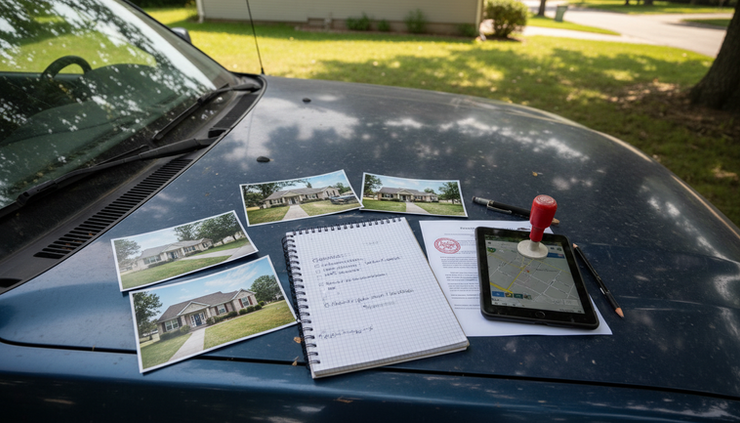
A field inspection helps confirm what happened and what condition the property or asset is in now. The inspector may document damage, take photos, verify the location, note safety concerns, identify missing or damaged assets, and collect signatures or supporting information when required.
Common field inspection scenarios include:
Storm, fire, water, or impact damage at a home
Vehicle or equipment condition checks
Real estate occupancy or property condition reports
Business asset verification
Documentation tied to insurance, lending, or legal processes
Loss verification after an incident
The goal is not to decide the claim. That responsibility stays with the insurance company or claims adjuster. The field inspector’s role is to gather accurate, timely, and objective information from the scene.
That role may sound simple, but it can shape the entire claims experience.
A clear inspection can help an insurer answer key questions quickly. A poor or delayed inspection can leave everyone waiting. For a consumer dealing with damage, displacement, or uncertainty, that difference feels personal.
Field inspectors act as the eyes and ears for insurance companies
Insurance companies cannot be everywhere at once. Claims may come in from across the country, often after major weather events or emergencies. They need trusted people who can visit a site, observe conditions, and report facts without bias.
That is the value of field inspections.
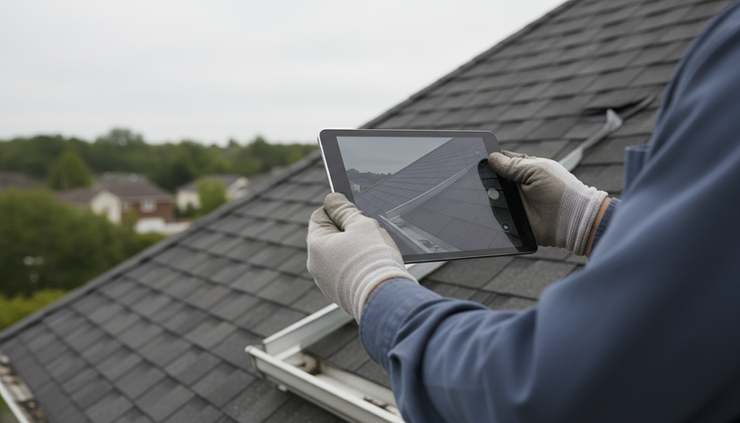
A good field inspector does not rely on assumptions. They look for visible evidence, record what they see, and provide context. For example, a roof damage claim may require photos of missing shingles, interior ceiling stains, debris patterns, and any nearby hazards. A water damage claim may require documentation of flooring, walls, plumbing areas, and the affected rooms.
Those observations help insurers separate guesswork from evidence.
Field inspections also help consumers. A policyholder may describe a hazard but not know how to document it in a way an insurer can use. A trained inspector can capture the details clearly, such as:
Where the damage is located
How widespread the damage appears
Whether the area is accessible
Whether there are visible safety risks
Whether the reported property or asset appears to match the claim
Whether documents and identity details align with the inspection
That information gives the insurance company a better view of what happened. It also helps honest consumers avoid repeated requests for the same information.
Consumers benefit when visual proof is collected right away
The claims process can feel slow when proof is incomplete. Consumers may submit photos, but the images might not show enough detail. They may miss angles, dates, serial numbers, warning signs, or the broader context of the scene.
A field inspection helps close those gaps.
When an inspector collects immediate visual proof, the insurance company can review the claim with more confidence. That may help reduce back-and-forth communication and unnecessary delays.
For consumers, this can support:
Faster claim review
Clear photos and notes help claims teams understand the damage sooner.
Fewer duplicate requests
A complete inspection report may reduce the need for consumers to resubmit photos or explanations.
Better repair planning
Inspectors can document the scope and location of visible damage, which may help the claim move toward the next step.
Stronger claim records
Time-stamped, organized inspection notes create a useful record if questions come up later.
This is especially important after storms, fires, leaks, or accidents. Conditions can change quickly. Water dries. Debris gets moved. Temporary repairs begin. A field inspection captures the scene before important details disappear.
Field inspections help protect physical safety
Insurance claims are not only about property value. They are often about safety.
A damaged stairway, exposed wiring, weakened ceiling, standing water, broken glass, or fire-damaged structure can put people at risk. If a hazard is not properly documented, the funding or response may not match the real condition of the property.
Field inspections help bring those hazards into view.
An inspector can note visible safety concerns and provide supporting photos. That documentation can help an insurance company understand why certain repairs, cleanup, mitigation, or temporary accommodations may be needed.
For example, a consumer might report water damage in a basement. During the inspection, the inspector may also document mold-like staining, damaged electrical outlets, slick flooring, and blocked access to utilities. Those observations give the insurer a fuller picture.
The inspector is not there to make engineering, medical, or legal conclusions. Still, documenting visible hazards can help decision-makers respond more appropriately.
That protects consumers from being overlooked and helps insurers direct resources where they are truly needed.
Vetted inspectors support identity and privacy protection
Field inspections often involve sensitive information. A consumer may share personal details, insurance documents, property access, asset information, photos of private living areas, or identification.
That is why the person conducting the inspection matters.
Notaries are trained around identity verification and document integrity. Many notaries already handle private records, signatures, affidavits, loan documents, real estate paperwork, and other sensitive materials. This makes them a strong fit for inspection work that requires care, discretion, and trust.
A vetted notary inspector can help protect consumers by:
Confirming identity when needed
Handling documents with care
Limiting information collection to the inspection purpose
Maintaining a neutral role
Following clear instructions from the requesting company
Reducing the risk of unverified individuals accessing private spaces
In insurance work, privacy is more than a courtesy. It helps protect consumers from identity misuse and unauthorized disclosure. A professional inspection process should make people feel safer, not more exposed.
This is one reason Tahoma Secure Document Services places such a high value on secure handling, reliable documentation, and professional conduct.
Notaries bring the right habits to field inspection work
Notaries are not just convenient field representatives. They bring a mindset that is useful for inspections.
A notary’s core work depends on accuracy, neutrality, and identity assurance. Those same habits support strong field reports.
Notaries are especially valuable because they already understand:
Identity verification
They know how to compare identification, confirm names, and avoid casual assumptions.
Document accuracy
They are used to reviewing forms, completing certificates, and recognizing missing information.
Neutrality
They are familiar with acting as impartial witnesses rather than advocates for one side.
Confidentiality
They often work with sensitive personal, financial, property, and legal documents.
Mobile service
Many notaries already travel to homes, businesses, care facilities, and real estate locations.
This makes Field Inspection and Asset Verification Services by a Notary a practical choice for insurance companies, lenders, property managers, and consumers who need reliable on-site verification.
At the intersection of Real-Estate, Notary, Insurance Claims work, notaries can help bridge the gap between paperwork and the physical condition of a property or asset.

Field inspections help prevent insurance fraud
Insurance fraud hurts more than insurance companies. It affects honest consumers through higher costs, slower reviews, and stricter documentation requirements.
Field inspections help reduce that risk in two major ways.
They verify whether a claim appears legitimate
A field inspection can help confirm whether the reported damage, asset, person, or property condition matches the claim. The inspector may verify the address, observe the claimed damage, take photos, and confirm visible details.
For example, if a claim reports storm damage to a detached garage, an inspector can document whether that garage exists, whether visible damage is present, and whether the surrounding conditions appear consistent with the report.
This does not mean every claim with missing details is fraudulent. Many honest consumers simply do not know what evidence to provide. Field inspections help separate incomplete documentation from suspicious claims.
That matters because a fair claims process should protect legitimate policyholders while discouraging false claims.
They discourage scene alteration before review
The mere presence of an inspection process can deter fraud.
When people know a trained, vetted professional may visit the site, document conditions, and verify the facts, they are less likely to alter a scene, stage damage, remove assets, exaggerate losses, or submit misleading information.
Timing matters here. The sooner an inspection happens, the harder it is for someone to change the story.
Quick field inspections help preserve the condition of the property or asset as close to the incident as possible. That benefits insurers and honest consumers alike.
Fraud prevention can also mean consumer savings
Insurance fraud creates losses that do not stay isolated. When the industry pays fraudulent claims, those costs can influence premiums, deductibles, claim procedures, and underwriting rules over time.
Consumers may feel those effects through:
Higher policy costs
More documentation requests
Longer claim review times
Stricter verification procedures
Reduced trust between consumers and insurers
Field inspections help reduce unnecessary losses by giving insurers better information earlier in the process. That can help keep the system fairer for everyone.
No single inspection stops all fraud. But a consistent inspection process creates accountability. It makes it harder for false claims to pass through unnoticed and easier for legitimate claims to move forward with confidence.
For consumers, that is the best outcome. Honest claims get better support, and fewer resources are drained by dishonest activity.
What a strong field inspection should include
A useful field inspection is more than a few quick photos. It should be organized, factual, and respectful of the consumer’s privacy.
A strong inspection process usually includes:
Clear assignment details
Verified location information
Identity confirmation when required
Time-sensitive photos of relevant areas
Notes about visible damage or asset condition
Documentation of access issues or safety concerns
Secure handling of any forms, signatures, or records
Timely submission to the requesting company
Consumers should also understand what the inspector is there to do. The inspector may document damage and collect information, but they usually do not approve or deny claims. That distinction helps avoid confusion and keeps communication clear.
Professional notary inspectors are well positioned to follow instructions, document carefully, and stay within the scope of the assignment.
Why Tahoma Secure Document Services is ready to help
Tahoma Secure Document Services understands that field inspections require more than availability. They require trust.
When an insurance company, lender, property manager, or consumer needs on-site verification, the person showing up represents part of the claims or documentation process. That person should be reliable, discreet, and detail-oriented.
Tahoma Secure Document Services brings a document-centered approach to field inspections. That means careful handling, clear communication, and respect for sensitive information. It also means recognizing how much a timely inspection can matter to someone waiting on a claim decision.
We are happy to speak with you about your field inspection needs, whether the assignment involves insurance documentation, asset verification, property condition reporting, or related notary-supported services.
Better inspections build a fairer claims process
Field inspections give insurance companies a clearer view of what happened, but their value reaches consumers directly. They can speed up claims review, document safety hazards, protect private information, and help reduce the fraud losses that raise costs for everyone.
Notaries are a natural fit for this work because they already operate in a world where identity, documents, trust, and neutrality matter. When those habits are brought into the field, inspections become more reliable and more respectful.
Tahoma Secure Document Services is ready to support that standard. If you need dependable field inspection support, we would be happy to talk through your needs and help determine the right next step.


Comments